
Backup power systems in Kenya
Haq Power installs inverter and battery backup systems that keep your home or office running when Kenya Power goes off. They work with or without solar panels.
Power that stays on through outages
A backup system stores electricity in a battery and switches over automatically when the grid fails. No fuel, no noise and no fumes.
- Automatic switchover during blackouts
- Sized around the appliances you choose
- Lithium battery storage
- Inverter-chargers from Victron Energy, TBB Power and Deye
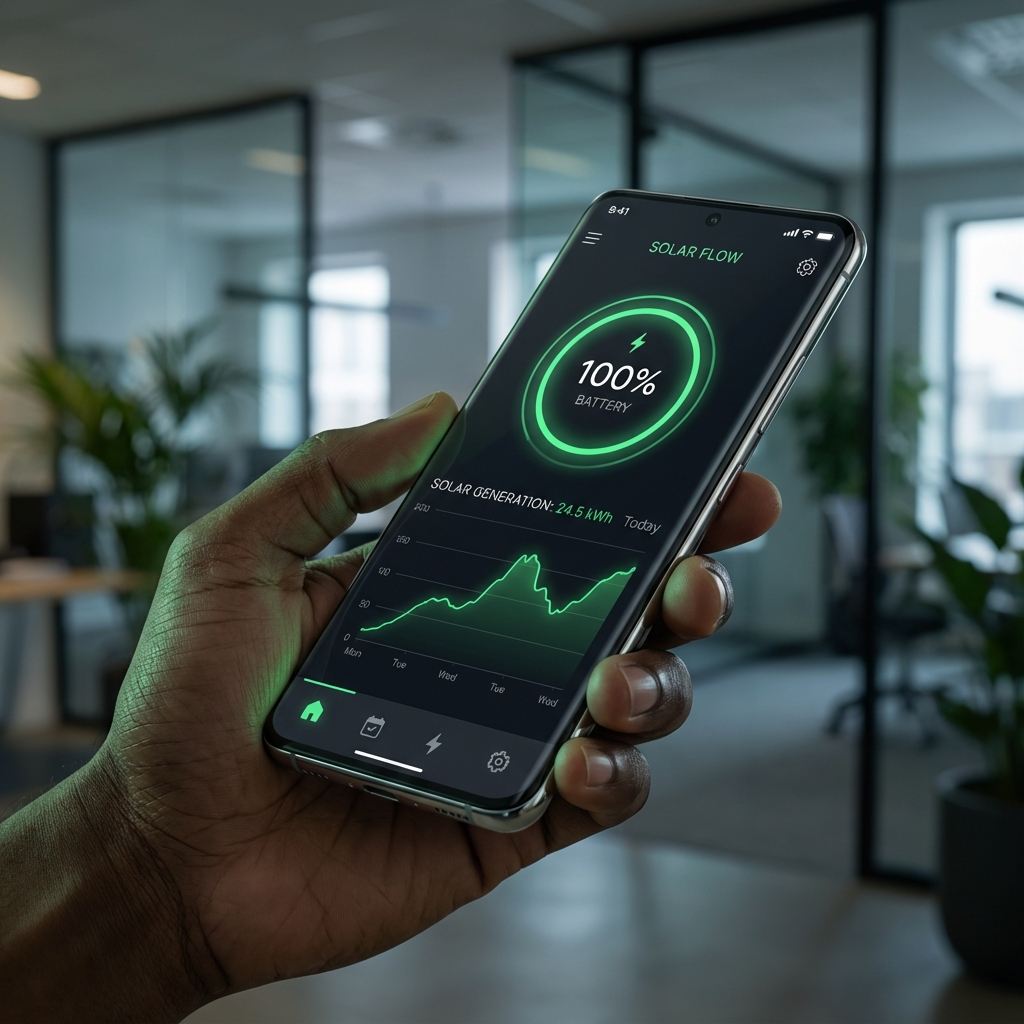
- Battery level and status on your phone
- Ready for solar panels when you are
How battery backup works
An inverter-charger sits between Kenya Power and your home. While the grid is on, it passes power through and keeps the battery full. When the grid drops, it switches your backed-up circuits to the battery. When power returns, it switches back and recharges.
Choosing what to back up
Backup systems are sized by two numbers: how much power you need at once, which sets the inverter size, and how long you need it, which sets the battery size. Most households start with essentials and leave heavy loads such as water heaters and cookers on the grid.
- Essentials: lights, Wi-Fi, TV, phone and laptop charging, fridge
- Often added: security systems, gate motor, borehole or booster pump
- Usually left on grid: electric showers, water heaters, cookers
Backup only, or backup with solar?
Backup alone protects you from outages but does not lower your bill, because the battery charges from the grid. Adding solar panels turns it into a hybrid home solar system that charges the battery from the sun and cuts what you buy from Kenya Power.
Backup power questions
What is a backup power system?
A backup power system is an inverter and a battery that take over when Kenya Power goes off. The battery charges from the grid, or from solar panels if you have them, and the inverter switches your essential circuits to battery automatically during an outage.
What can a battery backup system run?
That depends on the inverter and battery size. Smaller systems are designed for essentials such as lights, Wi-Fi, TV, laptops and a fridge. Larger systems can carry pumps and heavier appliances. We size the system around the list of things you want to keep on.
How long will the battery last during a blackout?
Runtime depends on battery capacity and how much power you draw. The same battery lasts much longer running lights and Wi-Fi than running a fridge and a pump. During the assessment we calculate expected runtime for your chosen appliances before you buy.
Do I need solar panels for backup power?
No. An inverter and battery can charge from the grid alone and still give you backup during outages. Adding solar panels lets the battery recharge for free during the day and lowers your electricity bill as well.
Can I add solar panels to a backup system later?
Yes, if the inverter supports it. Hybrid inverters and inverter-chargers with a solar charge controller can take panels later. Tell us if you plan to add solar so we choose the right inverter from the start.
Tell us what you need to keep running
We will size an inverter and battery around your list and send a written quotation after a free on-site assessment.